Attract Top Talent By Crafting Your Employer Brand Magnet

Securing high-performing candidates in a competitive job market requires more than just a competitive salary and job security. It demands a compelling and distinctive employer brand. Talent acquisition here becomes an art, combining strategic thinking with creativity to craft a brand that resonates deeply with potential employees. Here’s how you can develop an employer brand that serves as a powerful magnet for top talent.

Understand Your Current Employer Brand

To shape your employer brand effectively, start by understanding how current employees and the external job market view your organization. Gather insights through employee surveys, focus groups, and reviews on platforms like Glassdoor. This research will highlight your strengths and pinpoint areas that might need improvement.

Define Your Unique Value Proposition

Identify what makes your company stand out. Why should a top performer choose you over competitors? This goes beyond perks and benefits—it’s about your core mission, the work environment, and opportunities for personal and professional growth. Make sure your value proposition aligns with the aspirations of the talent you aim to attract.

Communicate Your Vision and Values

Top talent seeks more than just employment; they seek a place to align their ambitions with the company’s goals. Communicate your organization’s vision, mission, and values through your website, social media, and marketing materials. Being genuine in these communications is essential; potential employees quickly notice any inconsistency between what you claim and what you practice.

Leverage Leadership

Leaders are crucial in defining and promoting your company’s brand. Encourage your leaders to engage actively on social media, speak at industry events, and participate in community projects. Their visibility strengthens your brand and shows a commitment to the company’s values and vision.

people working together

Showcase Your Culture

Your company’s culture is a key element of your employer brand. Share stories and testimonials from your current employees to demonstrate what it’s like to work at your company. Use videos, blogs, and social media posts about daily operations, team activities, and community involvement to give a vivid picture of your workplace culture.

Invest in Employee Development

High-performing individuals often seek opportunities to advance and improve. Investing in training and development programs boosts your team’s capabilities and signals to potential candidates that you value ongoing professional development. This can be a significant draw for top talent.

Monitor and Adapt

Employer branding is an ongoing effort. Continuously assess how your brand is perceived and how effectively it attracts talent. Remain flexible and ready to adjust your strategies based on feedback and shifts in the job market.

Engage with Potential Candidates

Build a talent community where interested candidates can sign up to receive updates and job alerts from your company. Engage with this community through regular newsletters and updates about company developments and industry insights. This will keep potential candidates informed and make them more likely to apply when relevant positions become available.

Ready to elevate your talent acquisition strategy? Discover how our human capital consulting and management services can transform your business. Partner with Benefit Advisors Network to attract, retain, and develop top talent effectively. Explore our services today!

How To Build Loyalty Levees with Smart HR

Maintaining a stable workforce is essential in today’s business environment, where the cost of losing a skilled employee goes beyond simple dollars and cents. High employee turnover can lead to disrupted projects, overburdened remaining staff, and the loss of valuable knowledge. Employing smart human resources (HR) practices can help companies construct strong loyalty levees to preserve a committed and engaged workforce. Let’s explore how organizations can improve employee retention through intelligent HR strategies.

Understanding the High Cost of Employee Turnover

It’s essential to recognize the ripple effects of high turnover. When employees depart, the impact isn’t limited to filling the vacant position; it also involves handling interrupted work, additional strain on other team members, and the loss of critical knowledge. These issues can substantially hinder a company’s operational effectiveness and strategic objectives.

Recruitment: Start with Compatibility

Employee retention starts right from the recruitment phase. It’s vital to hire individuals whose values resonate with the organization’s. During interviews, HR should assess candidates on their skills and experience and how well they fit with the company culture. This compatibility helps predict how well an employee will perform and their likelihood of staying long-term.

Comprehensive Onboarding: Building Initial Connections

Effective onboarding is critical in nurturing early loyalty. A good onboarding process should introduce new hires to the company culture and connect them with peers throughout the organization. This helps new employees feel like part of the team and can enhance their commitment from the start.

people working together

Career Development: Mapping the Future

Providing clear career progression opportunities is a cornerstone of retaining staff. Employees are more likely to remain with an organization if they see advancement opportunities. HR should collaborate with managers to ensure employees understand their potential career paths through regular training, workshops, and potential for upward or lateral moves.

Compensation and Benefits: Staying Competitive

Compensation packages need to be competitive within the industry to keep valuable staff. This includes salaries, benefits like health insurance, retirement plans, and flexible work options. Additionally, non-monetary benefits such as a balanced work-life environment, recognition initiatives, and wellness programs can significantly strengthen employee loyalty.

Employee Engagement: Maintaining Connection

Keeping employees engaged is essential for retention. Implementing regular feedback sessions, satisfaction surveys, and open meetings is important for gauging what motivates employees. These insights allow HR to develop targeted strategies that keep employees not just attending work but actively enthusiastic about their roles and the company’s goals.

Leveraging Technology: Streamlining HR Practices

Using technology effectively can make HR operations more efficient and improve retention strategies. Tools for managing performance, gathering employee feedback, and recognizing staff contributions can help HR to be more proactive and responsive to the workforce’s needs.

Ready to enhance your organization’s employee retention strategies? Discover how our human capital consulting services can support your business. Contact Benefit Advisors Network to learn more about our expert human capital management services and start building a loyal, engaged workforce today. Get in touch.

HR’s Leadership Development Arsenal: Tools And Strategies That Make A Difference

With a skills gap crisis looming on the horizon, the role of Human Resources (HR) is undergoing a profound transformation. As modern businesses evolve to remain competent, one truth remains constant: effective leadership is the cornerstone of organizational success. Yet, leaders aren’t born; they’re nurtured through deliberate efforts, and here’s where HR steps into the spotlight.

According to human capital consultants at Benefit Advisors Network, HR’s strategic function goes beyond recruitment and administrative tasks; it extends to the cultivation of leadership potential and the sustenance of robust leadership development training programs.

HR Pivotal Role In Shaping Tomorrow’s Leaders

Implementing Leadership Development Training Programs: HR must collaborate with Learning and Development (L&D) to establish comprehensive training programs. These initiatives not only impart leadership skills but also integrate seamlessly into talent identification and development processes.

Talent Retention: Retaining top talent is key to leadership development. HR should spearhead initiatives to create an appealing work environment, offering incentives and rewards that encourage employees to stay and pursue career growth within the organization.

Culture of Opportunities: HR must foster a culture that encourages upward mobility, offering incentives like competitive financial packages and promotion opportunities. Tangible rewards can be supplemented by an employee-centric ethos that emphasizes clear career pathways and a growth mindset.

Team-Based Approach: HR needs to equip potential leaders with the right tools to manage their teams effectively. Clear role definitions, open communication, and empathetic leadership styles foster collaboration and morale, particularly in remote working environments.

Creative Recruitment: HR needs to ensure that leadership development programs create an environment conducive to attracting external talent. With a strong internal leadership pipeline and a culture of career development, the organization becomes an attractive destination for top-tier talent.

a woman with leadership qualities heading a team

However, as HR guides the organization in leadership development, HR professionals themselves must be equipped with leadership skills. The Human Resources Leadership Development program should encompass:

  • Open Communication Channels: HR professionals excel in communication, fostering openness and trust across all levels of the organization.
  • Motivational Encouragement: HR sets the tone for an inclusive workplace culture, inspiring and engaging employees to unleash their full potential.
  • Display of Emotional Intelligence: In diverse and remote work settings, emotional intelligence is paramount to understanding and responding to the needs of employees effectively.
  • Ability to Diffuse Conflict: HR leaders must facilitate dialogue and employ active listening to address conflicts constructively, fostering a harmonious work environment.
  • Empowerment: By empowering employees through effective leadership, HR leaders can foster self-motivation, engagement, and productivity across the organization.
  • Moral Leadership: HR leaders set the ethical tone for the organization, serving as impartial mediators and exemplifying integrity in every action. They must project ethical soundness, integrity, and professionalism that inspires confidence and trust among management and employees.

Since HR stands as a steadfast ally as organizations navigate the complexities of a rapidly changing world, let our BAN consultants help you shape leaders who will chart the course for a brighter tomorrow.

We offer human capital consulting and management services for organizations looking to get the best out of their human resources. Whether you’re an HR professional or a business leader, we can help foster a thriving workplace environment so you can benefit from a competitive edge.

Our personalized human capital consulting services aim to empower, enhance efficiency, and drive progress at all stages of your business journey. Call us for further details on how we can help set you up on a transformative path toward success.

The Rise Of Employee Well-being Programs

In the modern workplace, employee well-being has emerged as a critical aspect of human capital management. This shift is driven by a growing recognition of the importance of mental health, work-life balance, and the role of human capital management services in creating a work environment that’s not only conducive to the organization’s success but also to the mental health and well-being of employees.

This blog takes a closer look at employee well-being programs and how our HR consulting services can help businesses achieve their employee satisfaction goals.

The Importance of Employee Well-being

A recent study suggests that traditional workplace wellness programs may not be as effective as once thought. However, this does not diminish the importance of employee wellbeing. In fact, it underscores the need for innovative approaches that address the holistic needs of employees, which is why the global corporate wellness market is set to be worth $120 billion by 2032.

Burnout at work is on the rise, with Harvard Business Review reporting that over 50% of managers feel burned out due to corporate challenges. These figures highlight the need for effective well-being programs addressing physical and mental health, but where does one start?

Three smiling professionals in suits stand in front, with two serious-looking employees behind, portraying the need for employee well-being programs for everyone to avoid burnout

The Role of Human Capital Management Services

Our Human Capital Management services play a crucial role in developing not just employee training and development programs but also effective employee well-being programs. We can assist with surveys to evaluate employee needs, develop customized well-being programs, and provide compensation and benefits consulting to ensure your employees’ needs are met across the board.

To go into a little more detail, this is why our HR consulting services work the way they do:

  • Surveys are the first step and a valuable tool for understanding employees’ specific needs and preferences. They can reveal areas of dissatisfaction and identify opportunities for improvement.
  • Based on our findings, our team develops customized well-being programs to create initiatives that address the unique needs of each employee. This could include fitness incentives, mental health support, and stress management webinars and workshops.
  • At the end of the day, what an employee is taking home makes a significant impact on how they feel about the work they’re doing. That’s where our compensation surveys and strategy come into play. Well-structured executive compensation strategies can significantly enhance employee satisfaction, thus contributing to a positive work environment.

The Future of Employee Wellbeing Programs

The future of employee wellbeing programs lies in their ability to adapt to the changing needs of the workforce. Innovations in global employee wellness programs have the capacity to enhance individual health outcomes, reduce absenteeism, and drive organizational performance.

For businesses aiming to optimize employee well-being, Benefit Advisors Network (BAN) provides specialized Human Capital Management Services designed to meet your organization’s specific needs.

Our team of experts is equipped to guide you through the complexities of employee well-being, training, and development programs, assisting you in choosing and implementing the most innovative and practical approaches for your workforce.

Our human capital consulting services empower your human resources to drive growth and success.

Contact us now to learn more.

The Impact of Artificial Intelligence on HR: Friend or Foe?

Human Capital Management services are evolving at lightning speed, and much like other industries, we’re seeing the integration of Artificial Intelligence (AI) in HR processes sparking a lot of debate.

In our HR consulting services, we’re constantly seeking ways to improve efficiency and accuracy in our work, and AI in HR has the potential to revolutionize the way we approach many aspects of human capital consulting services—but is it a friend or foe? Let’s find out!

The Good, The Bad, And The Ugly

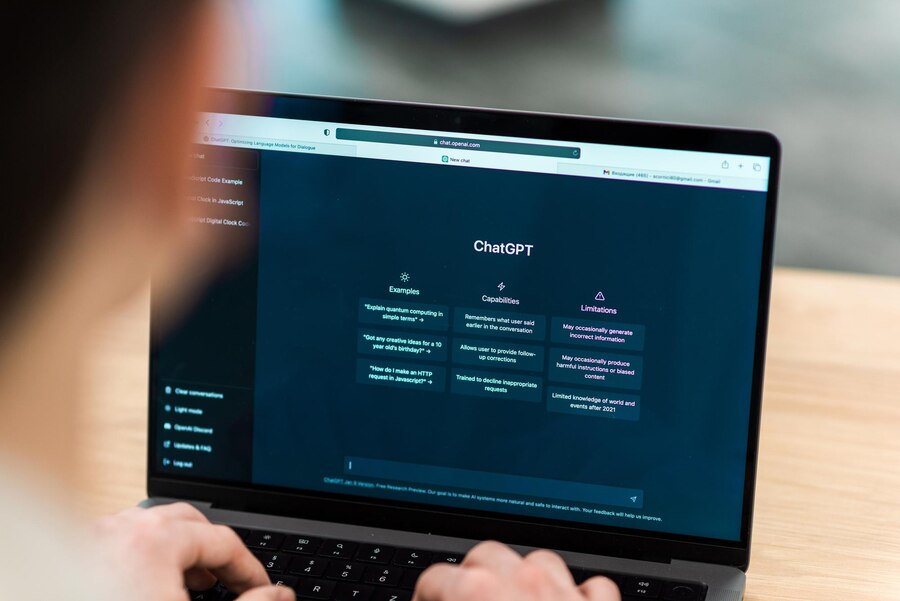
We’ve all had a go at Chat GPT, and let’s be honest, we’ve been rather impressed. We admit that AI can automate repetitive tasks, such as duplicating a pay slip, updating a schedule, or requesting receipts for expense reports, thus freeing up time for HR professionals to focus on strategic initiatives such as executive development strategies and employee training and development programs.

In our line of work, we may use AI to help streamline the process of HR policy and procedure development, making it easier to ensure compliance with state leave laws or avoid EEOC investigations, but we cannot entirely depend on bots for the accuracy of information.

More than the challenges of precision, there are also concerns about data privacy and the potential for bias when it comes to integrating AI and the algorithms involved, not to mention security risks from hacking. Furthermore, while AI can assist with tasks such as compensation surveys and strategy, it lacks the human touch that is so crucial in HR.

Intelligent as the bots may be, we must remember the term ‘artificial’ means they lack empathy and the ability to come up with out-of-the-box solutions and human creativity.

Despite these challenges, the potential benefits of AI in HR are significant. With the right approach, AI can be a powerful tool for HR professionals, helping to improve efficiency, accuracy, and strategic decision-making.

A person using a laptop with the screen displaying ChatGPT, symbolizing AI in HR as a tool for streamlining processes.

Leveraging AI Alongside HR Consulting Services

That said, it’s important to remember that AI is a tool, not a replacement for human expertise. For complex tasks such as employee handbook development or compliance requirements in HR administration, it’s always better to bring HR consulting services on board. We’ve got the human insight and expertise that AI just cannot replicate, no matter how much of the web it explores for potential answers to solve real-world problems.

So, is AI in HR a friend or foe? The answer is both. By understanding AI’s benefits and potential challenges in HR, we can make informed decisions about how to best integrate this technology into our HR processes.

One Hundred Percent Human Capital Management Services

When you hire our Human Capital Management Services at Benefit Advisors Network (BAN), you can trust that we’re no bots. We take the time and effort to give each client the attention they deserve, going through each and every detail to aid in their success.

So whether you’re looking for HR consulting for small businesses or startups or human capital management services, we can help. Our team of experienced human resource consultants can provide a range of services, from compensation and benefits consulting to HR compliance audit and remediation.

For more information about how our HR consulting services can help your organization succeed alongside the integration of AI in HR, contact us today.