The Impact of Artificial Intelligence on HR: Friend or Foe?

Human Capital Management services are evolving at lightning speed, and much like other industries, we’re seeing the integration of Artificial Intelligence (AI) in HR processes sparking a lot of debate.

In our HR consulting services, we’re constantly seeking ways to improve efficiency and accuracy in our work, and AI in HR has the potential to revolutionize the way we approach many aspects of human capital consulting services—but is it a friend or foe? Let’s find out!

The Good, The Bad, And The Ugly

We’ve all had a go at Chat GPT, and let’s be honest, we’ve been rather impressed. We admit that AI can automate repetitive tasks, such as duplicating a pay slip, updating a schedule, or requesting receipts for expense reports, thus freeing up time for HR professionals to focus on strategic initiatives such as executive development strategies and employee training and development programs.

In our line of work, we may use AI to help streamline the process of HR policy and procedure development, making it easier to ensure compliance with state leave laws or avoid EEOC investigations, but we cannot entirely depend on bots for the accuracy of information.

More than the challenges of precision, there are also concerns about data privacy and the potential for bias when it comes to integrating AI and the algorithms involved, not to mention security risks from hacking. Furthermore, while AI can assist with tasks such as compensation surveys and strategy, it lacks the human touch that is so crucial in HR.

Intelligent as the bots may be, we must remember the term ‘artificial’ means they lack empathy and the ability to come up with out-of-the-box solutions and human creativity.

Despite these challenges, the potential benefits of AI in HR are significant. With the right approach, AI can be a powerful tool for HR professionals, helping to improve efficiency, accuracy, and strategic decision-making.

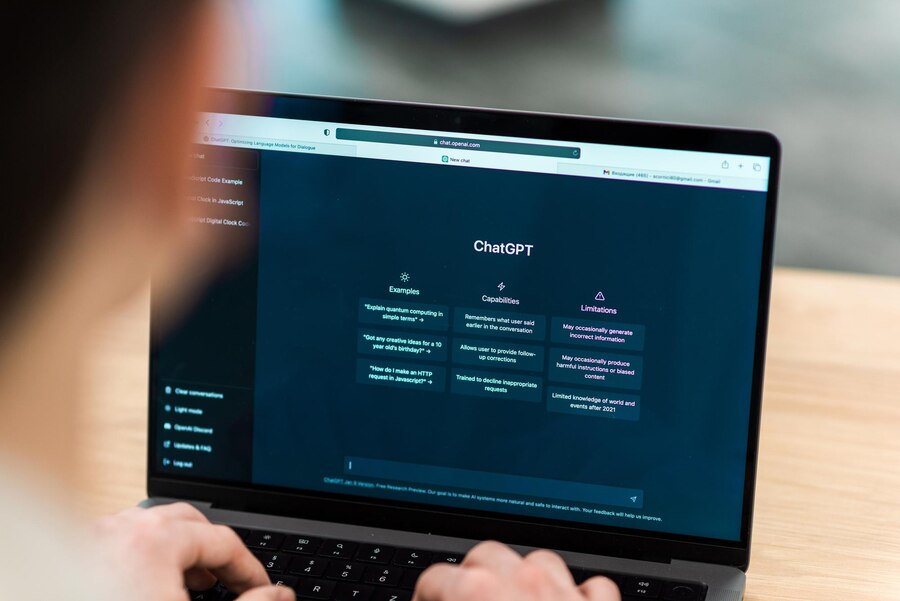
A person using a laptop with the screen displaying ChatGPT, symbolizing AI in HR as a tool for streamlining processes.

Leveraging AI Alongside HR Consulting Services

That said, it’s important to remember that AI is a tool, not a replacement for human expertise. For complex tasks such as employee handbook development or compliance requirements in HR administration, it’s always better to bring HR consulting services on board. We’ve got the human insight and expertise that AI just cannot replicate, no matter how much of the web it explores for potential answers to solve real-world problems.

So, is AI in HR a friend or foe? The answer is both. By understanding AI’s benefits and potential challenges in HR, we can make informed decisions about how to best integrate this technology into our HR processes.

One Hundred Percent Human Capital Management Services

When you hire our Human Capital Management Services at Benefit Advisors Network (BAN), you can trust that we’re no bots. We take the time and effort to give each client the attention they deserve, going through each and every detail to aid in their success.

So whether you’re looking for HR consulting for small businesses or startups or human capital management services, we can help. Our team of experienced human resource consultants can provide a range of services, from compensation and benefits consulting to HR compliance audit and remediation.

For more information about how our HR consulting services can help your organization succeed alongside the integration of AI in HR, contact us today.

Despite Greater Mental Health Needs, Frontline Workers Less Likely to Seek Help

Published by WorldatWork on February 15, 2024.

Written by Tom Starner with input from BAN’s Bobbi Kloss

View the original post

With demanding roles tied to a higher degree of stress, frontline workers are less aware of employer mental well-being benefits, more likely to say they do not have a problem and — even when acknowledging a problem — are less likely to reach out for help than their non-frontline colleagues, according to a new study. 

meQuilibrium’s (meQ) study of 1,183 U.S.-based workers found that when compared to their non-frontline counterparts, rates of anxiety and depression among the latter are 33% and 61% higher, respectively, and when facing high stress, frontline workers also are 30% less likely to seek out professional assistance. 

“Frontline workers regularly interact with frustrated customers, work irregular shifts, lack paid time off and have minimal autonomy over duties assigned by managers,” said Brad Smith, Ph.D., chief science officer at meQ. In turn, that can contribute to higher rates of burnout, anxiety, depression and secondary traumatic stress, compared to their corporate colleagues. 

“Unfortunately, frontline workers are often unaware of their well-being options and their irregular hours can impede appointment scheduling, resulting in a gap between their needs and use of relevant benefits,” Smith said.  

Reasons for Not Seeking Help

Bobbi Kloss, vice president, human capital management services at Benefit Advisors Network, said there are historical reasons for frontline workers’ reluctance to seek help. 

“Consistently throughout generations, frontline workers bear the burdens and the weight of not only their own personal struggles, but those of the company itself,” she said.  

For example, when sales slump and revenue drops, cost containment becomes a priority. As management looks at previously set goals and metrics, frontline employees often are the first to be affected by these negative business results, Kloss said. 

Absenteeism may be frowned upon, Kloss said, and employees may fear reprisal for taking paid-time off when times are tough and companies’ margins are tight.   

“Workers can’t afford to rock the boat and risk losing their job, which is a main reason why they are less likely to reach out for professional assistance,” she said. 

meQ’s study also found frontline workers avoid missing work to care for themselves or family members.  

“Paid time off (PTO) is a scarce resource,” Smith said, “and some frontline employees are reluctant to use it for anything other than vacation.” This reluctance to use PTO to seek help, he said, can be exacerbated by adversarial labor/management relations and a distrust of management-provided benefits.  

On top of those reasons, Smith said, this employee population is hard to reach due to their “frontline-ness.  

“Most are not at a desk all day and may not be included in the normal corporate messaging loop,” he said. 

Create Better Communication Channels

Smith offered a few ways employers can better communicate mental well-being benefits for frontline workers:

  • Choose the right channels for communication at work, such as home mailers, table tents and breakroom posters. To be more effective, couple these messages with testimonials or word-of-mouth endorsements from frontline wellness champions.
  • Tailor messaging appropriately to the frontline population, focusing on common triggers like sleep, financial stress and safety.
  • Use relatable imagery of other frontline workers in creative materials.

Managers should also recognize that while employee assistance programs (EAPs) are designed to address individual, team and organizational problems, they are largely unknown to frontline workers.  

“By providing and educating employees about holistic benefits, including mental health, employers can help reduce employee stress while demonstrating that they value their skills and care about them as people,” Kloss said. “In addition, it creates a culture of caring that can attract and retain talent.” 

The rewards for bridging the gap are rich, meQ’s Smith added. 

“Employers who rely on these essential employees have a vested interest in closing this gap through proactive outreach and education to improve benefit awareness and utilization around mental well-being,” he said. “Closing this knowledge gap can lead to a healthier, more productive workforce.” 

Editor’s Note: Additional Content
For more information and resources related to this article see the pages below, which offer quick access to all WorldatWork content on these topics:

Tug of war: The state of employer/employee relations

BenefitsPro asked readers who is in control of the state of employer/employee relations?

By Paul Wilson | September 21, 2023 at 08:17 AM

View the full article here

A balancing act

With all the media reporting, you would think employee relations are at an all time low. Yet, over half of employees say they’re extremely satisfied with their job, 62% are satisfied with their manager and 78% say they’re treated with respect.

According to The Conference Board, “once workers are paid competitively, a strong workplace culture is the most important factor… Leaders gain the most by offering flexible, hybrid work arrangements, and emphasizing work experience and culture factors.” Advisors must balance health and welfare offerings with a thorough review of compensation, engagement and ancillary products supporting holistic wellbeing.

Bobbi Kloss, VP Human Capital Management Consulting Services, Benefit Advisors Network

Is pay transparency good for company culture?

ICYMI: Watch Bobbi’s latest Human Capital Management Trends Update

Company culture is the environment that is entwined throughout the organization. It is the sum of the company policies, communication methods, and the organization’s values and practices. Company culture sets the rules of engagement from management down and across the workplace.

Without going into an economic history lesson of how wages were and continue to be driven by supply and demand, let’s look at how workers value themselves compared to how employer values their assets. Traditionally, this is how compensation has been set. A bargaining strategy in an employer market leaves employees feeling undervalued. In an employee market, the opposite occurs as employees feel empowered to turn the tables. Both sometimes start the relationship with the company from a position of inequity.

We can see throughout the generations how the economy has influenced the behavior of the workforce and the employer. The Industrial Revolution saw the Traditionalist generation as the greatest in the workforce.

With the Traditionalist generation, company culture was set by a “heads down” and work hard mentality, leading to a 60-80 hour work week. There was little to zero negotiation for a pay increase. Engagement was generally a personal outcome and not in a company’s culture.   In return, if pay increases recognized individual success, the message documented in the handbook was “do not discuss salary.” The outside world knew by the new vehicle purchases, the bigger house, or the new clothes. Keeping up with and surpassing the Joneses was the driver behind keeping “the secret.”

This theory was then passed down to the Baby Boomer or Post-War generation. Negotiations started taking place as this generation became more driven by materialism.  Keeping up with the Joneses was no more a silent way of living. Salary negotiations became an everyday occurrence, turning the table of the traditionalists at the other side of the desk.

This tactic pitted hiring managers against employees right from the start. Managers were not trained on setting compensation from equality and equity points. They were given a single budget figure, and their role was to pay less, so they had dollars left to spend elsewhere. Employees were not trained in determining their value in the marketplace. They were not always negotiating from a place of equality.  Women and those of varied ethnic or racial backgrounds continued to be undervalued, and they came to the table without negotiating power.

The employment relationship begins with a lack of trust, fairness, and equity.

“Public news of pay inequality at companies with more secretive pay communication practices can seriously damage their reputation, as was the case at BBC and Google. Finally, studies indicate that, at least in the short term, pay transparency may have some important benefits for employees and their employers. For example, pay transparency has positive impacts on employees’ perceptions of trust, fairness, and job satisfaction and has been found to boost individual task performancehttps://hbr.org/2022/08/research-the-unintended-consequences-of-pay-transparency

From the millennials on, we continue to see a power shift as workforce imbalance thrives.

Today, companies frequently point out that employees are the greatest asset to a business. Company culture dictates the how value of the employee as an asset are set.  As pay transparency becomes regulated and the distribution of equity (which has been regulated but, in some companies, ignored),  an employer’s culture has to take on an openness that might make them feel unprepared.

The conversation shift should be now placed into the hands of a Human Capital Management Strategy. Employees are no longer thought of as an asset which is commoditized (i.e., bought and sold or easily replaced) but a capital investment (resources invested for long-term sustainability). Does your organization and department strategy support that theory? Consider the following questions:

  • Do you have a strategy?
  • Has ownership bought in?
  • Does it address your client’s most pressing and potential long-term needs?
  • Cost of the program?
  • Resources needed to implement and administer the program?
  • How success will be tracked, measured, and reported
  • How long are you willing to support the program to see results?
  • How or if the solution competes with, supports or integrates with other employer-sponsored benefits/programs
  • Will it need individual promotion and/or education?

These tactics are about transparency and measuring the Return on Investment (ROI) against engagement. Employees are to be a part of the company’s mission and goals and not as a hidden dollar value while maintaining the required compliance.

Human Resources is a prime position to be elevated and become a strategic force for compliance and instituting leadership development, setting strategic compensation and hiring practices, and equalizing the playing field between employer and employee.

Part 2 – Workplace Violence: Psychological Safety

ICYMI: Watch Bobbi’s latest Human Capital Management Trends Update

Psychological safety is a term we are hearing more and more of in our world and the work environment. Coincidentally, as we look at this topic, May was Mental Health Awareness Month. June is National Safety Month, among the other initiatives we celebrate. It is befitting we review this topic of psychological safety in the workplace in the context of both initiatives.

Psychological Safety
Employers should know that workplace safety – as governed by the Department of Labor, Occupational Safety and Health Administration (OSHA) – is outlined in the OSHA general duty clause that all employers are to “furnish to each of his employees’ employment and a place of employment which are free from recognized hazards that are causing or are likely to cause death or serious physical harm to his employees.” 29 U.S.C. § 654, 5(a)2

As a nation, survey results from the American Psychology Association  (AMA) reveal there is much we are stressed out about. No surprise that it ranges from personal finances, health, and family matters to social injustices, politics, and the personal safety of ourselves and family members.  Believe it or not, most stressors come from world and national events, not from high-impact life events we experience. To go along with these events creating stress, everyone has their unique way of maintaining composure during these events and a unique opinion on the circumstances surrounding them. More and more people are not afraid to speak their minds, some politely, others loudly, impolitely, and violently.

The American Institute of Stress estimates that job stress costs the U.S. industry $300 billion annually in absenteeism, turnover, lower productivity, and medical, legal, and insurance costs. However, a sense of powerlessness arises when a person cannot control life’s situations, which, according to the American Psychological Association, is a “universal cause of job stress.”   

Anger and fear are no longer being bottled up, and these emotions go everywhere with people, throughout the neighborhoods, stores, restaurants, our schools, and into the workplace. Are we physically and mentally safe with so much violence around us?  In previous articles, we have addressed establishing policies and practices to respond to physical violence in the workplace. In this article, we are addressing the aspects of psychological safety in the workplace.

Psychological Safety is a condition where you “feel included, safety to learn, safety to contribute and safety to challenge the status quo.” In the workplace, a cultural environment must exist where employees are free to perform and express themselves without “fear of embarrassment, being marginalized, or punished.”

As with all human capital initiatives, the strategic thread of psychological safety runs across all human resource programs. A major connection is within the Diversity, Equity, and Inclusion practices. The workplace is changing, and it’s not just about hiring the right people to check that box that the organization has achieved an equal employment hiring practice.

Having an EEO policy is not enough. Diversity and inclusion cultures additionally welcome and promote the uniqueness in each of us and provide the mechanism for a workplace where “all individuals are treated fairly and respectfully, have equal access to opportunities and resources, and can contribute fully to the organization’s success.” Such a commitment would be like the following:

Commitment to Diversity & Inclusion

The Company is committed to creating and maintaining a workplace where all employees have an opportunity to participate and contribute to the business’s success and are valued for their skills, experience, and unique perspectives. This commitment is embodied in company policy and how we do business and is an important principle of sound business management.

While an organization, through its management practices, appears to treat all employees equally, unconscious biases can provide a real or perceived sense of exclusion in our ability to treat each other non-discriminately. A policy alone cannot eliminate the unconscious biases working against a culture that embodies a workplace where people want to work. How does a company promote and support diversity and inclusion in the workplace? Performance management is the equalizer.

Studies have shown that stress can lead to aggressive behavior. Employers see stress displayed by their employees in many behaviors: good performance deteriorates, increased absenteeism occurs, cooperation with team members erodes, and a once-focused employee becomes distracted, potentially creating safety hazards. Supervisors and HR traditionally have dealt with these issues through performance improvement plans up to and including termination of employment. It is important today for employers to know their employees so that they can recognize or unearth the reason(s) behind poor performance if they want to have the ability to retain employees.

Employers—regardless of size or industry—should be aware of warning signs and how to coordinate with HR to take appropriate action with the employee and safeguard the workplace. Some of the more obvious signs of unhealthy stress levels include:

  • Intimidating, belligerent, harassing, bullying, or other inappropriate and aggressive behavior;
  • Numerous conflicts with supervisors and other employees;
  • Statements indicating desperation (over family, financial, and other personal problems to the point of contemplating suicide);
  • Drug/alcohol abuse;
  • Extreme changes in behaviors.

Supervisor communication should occur daily with employees, not just when poor performance challenges arise. Employees management should include positive responses to the below questions:

Is communication professional?

Professional doesn’t mean that good-natured conversation cannot occur, but is the communication promoting an atmosphere of respect, or is it demeaning and/or discriminatory?

Is workplace bullying occurring?

  • 19% of Americans are bullied, and another 19% witness it;
  • 63% of Americans are aware of abusive conduct in the workplace;
  • 60.3 million Americans are affected by it;
  • 70% of perpetrators are men; 60% of targets are women;
  • 61% of bullies are bosses.

Is there bilateral communication where top management and employees share information, ideas, and feedback?

Is there a conflict resolution process in place that promotes employees having authority to resolve matters with each other and/or their supervisor and bring them to the attention of HR when needed?

Does the company have a comprehensive employee assistance program (EAP)? Is the EAP used in the performance management process?

While employees may be going through stressful situations, and employers should have compassion, there is also the reality that quality performance is still required. A supervisor referral to an EAP can include a discussion with the EAP on the performance standards that need to be brought up to par. While the supervisor is not a party to the EAP/employee discussions, the supervisor can have check-ins to identify if workplace performance goals are being achieved.

Most important for an organization today, are supervisors, managers, and those in leadership positions, trained to manage the organizational team proactively? Employers cannot only rely on the tactical skills of the leaders to maintain positive employee engagement. Management needs to be trained on effective team leadership and how to manage that leadership within the particular company’s culture, focusing on attracting and retaining the right people in the right seats to drive forward the organization’s mission.