BAN Blog

Is pay transparency good for company culture?

ICYMI: Watch Bobbi’s latest Human Capital Management Trends Update

Company culture is the environment that is entwined throughout the organization. It is the sum of the company policies, communication methods, and the organization’s values and practices. Company culture sets the rules of engagement from management down and across the workplace.

Without going into an economic history lesson of how wages were and continue to be driven by supply and demand, let’s look at how workers value themselves compared to how employer values their assets. Traditionally, this is how compensation has been set. A bargaining strategy in an employer market leaves employees feeling undervalued. In an employee market, the opposite occurs as employees feel empowered to turn the tables. Both sometimes start the relationship with the company from a position of inequity.

We can see throughout the generations how the economy has influenced the behavior of the workforce and the employer. The Industrial Revolution saw the Traditionalist generation as the greatest in the workforce.

With the Traditionalist generation, company culture was set by a “heads down” and work hard mentality, leading to a 60-80 hour work week. There was little to zero negotiation for a pay increase. Engagement was generally a personal outcome and not in a company’s culture.   In return, if pay increases recognized individual success, the message documented in the handbook was “do not discuss salary.” The outside world knew by the new vehicle purchases, the bigger house, or the new clothes. Keeping up with and surpassing the Joneses was the driver behind keeping “the secret.”

This theory was then passed down to the Baby Boomer or Post-War generation. Negotiations started taking place as this generation became more driven by materialism.  Keeping up with the Joneses was no more a silent way of living. Salary negotiations became an everyday occurrence, turning the table of the traditionalists at the other side of the desk.

This tactic pitted hiring managers against employees right from the start. Managers were not trained on setting compensation from equality and equity points. They were given a single budget figure, and their role was to pay less, so they had dollars left to spend elsewhere. Employees were not trained in determining their value in the marketplace. They were not always negotiating from a place of equality.  Women and those of varied ethnic or racial backgrounds continued to be undervalued, and they came to the table without negotiating power.

The employment relationship begins with a lack of trust, fairness, and equity.

“Public news of pay inequality at companies with more secretive pay communication practices can seriously damage their reputation, as was the case at BBC and Google. Finally, studies indicate that, at least in the short term, pay transparency may have some important benefits for employees and their employers. For example, pay transparency has positive impacts on employees’ perceptions of trust, fairness, and job satisfaction and has been found to boost individual task performancehttps://hbr.org/2022/08/research-the-unintended-consequences-of-pay-transparency

From the millennials on, we continue to see a power shift as workforce imbalance thrives.

Today, companies frequently point out that employees are the greatest asset to a business. Company culture dictates the how value of the employee as an asset are set.  As pay transparency becomes regulated and the distribution of equity (which has been regulated but, in some companies, ignored),  an employer’s culture has to take on an openness that might make them feel unprepared.

The conversation shift should be now placed into the hands of a Human Capital Management Strategy. Employees are no longer thought of as an asset which is commoditized (i.e., bought and sold or easily replaced) but a capital investment (resources invested for long-term sustainability). Does your organization and department strategy support that theory? Consider the following questions:

  • Do you have a strategy?
  • Has ownership bought in?
  • Does it address your client’s most pressing and potential long-term needs?
  • Cost of the program?
  • Resources needed to implement and administer the program?
  • How success will be tracked, measured, and reported
  • How long are you willing to support the program to see results?
  • How or if the solution competes with, supports or integrates with other employer-sponsored benefits/programs
  • Will it need individual promotion and/or education?

These tactics are about transparency and measuring the Return on Investment (ROI) against engagement. Employees are to be a part of the company’s mission and goals and not as a hidden dollar value while maintaining the required compliance.

Human Resources is a prime position to be elevated and become a strategic force for compliance and instituting leadership development, setting strategic compensation and hiring practices, and equalizing the playing field between employer and employee.
Part 2 – Workplace Violence: Psychological Safety

ICYMI: Watch Bobbi’s latest Human Capital Management Trends Update

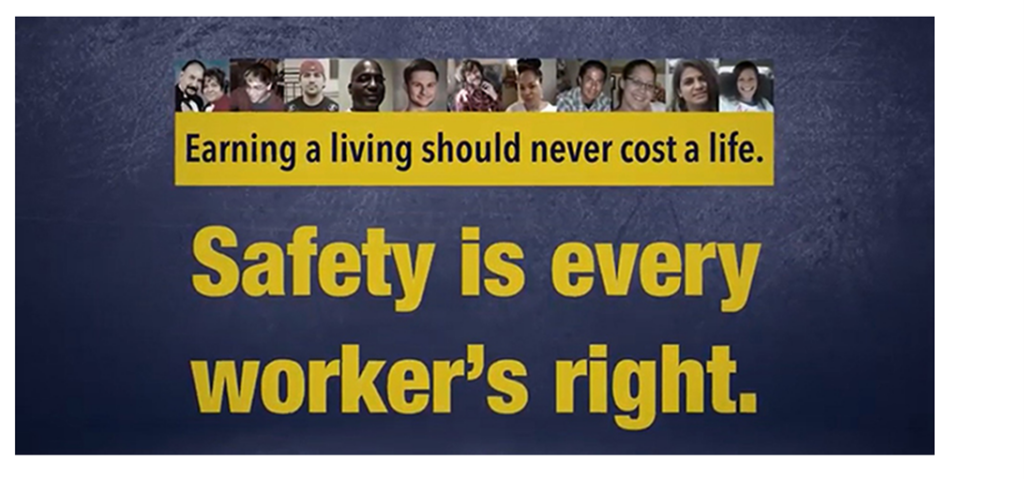
Psychological safety is a term we are hearing more and more of in our world and the work environment. Coincidentally, as we look at this topic, May was Mental Health Awareness Month. June is National Safety Month, among the other initiatives we celebrate. It is befitting we review this topic of psychological safety in the workplace in the context of both initiatives.

Psychological Safety
Employers should know that workplace safety – as governed by the Department of Labor, Occupational Safety and Health Administration (OSHA) – is outlined in the OSHA general duty clause that all employers are to “furnish to each of his employees’ employment and a place of employment which are free from recognized hazards that are causing or are likely to cause death or serious physical harm to his employees.” 29 U.S.C. § 654, 5(a)2

As a nation, survey results from the American Psychology Association  (AMA) reveal there is much we are stressed out about. No surprise that it ranges from personal finances, health, and family matters to social injustices, politics, and the personal safety of ourselves and family members.  Believe it or not, most stressors come from world and national events, not from high-impact life events we experience. To go along with these events creating stress, everyone has their unique way of maintaining composure during these events and a unique opinion on the circumstances surrounding them. More and more people are not afraid to speak their minds, some politely, others loudly, impolitely, and violently.

The American Institute of Stress estimates that job stress costs the U.S. industry $300 billion annually in absenteeism, turnover, lower productivity, and medical, legal, and insurance costs. However, a sense of powerlessness arises when a person cannot control life’s situations, which, according to the American Psychological Association, is a “universal cause of job stress.”   

Anger and fear are no longer being bottled up, and these emotions go everywhere with people, throughout the neighborhoods, stores, restaurants, our schools, and into the workplace. Are we physically and mentally safe with so much violence around us?  In previous articles, we have addressed establishing policies and practices to respond to physical violence in the workplace. In this article, we are addressing the aspects of psychological safety in the workplace.

Psychological Safety is a condition where you “feel included, safety to learn, safety to contribute and safety to challenge the status quo.” In the workplace, a cultural environment must exist where employees are free to perform and express themselves without “fear of embarrassment, being marginalized, or punished.”

As with all human capital initiatives, the strategic thread of psychological safety runs across all human resource programs. A major connection is within the Diversity, Equity, and Inclusion practices. The workplace is changing, and it’s not just about hiring the right people to check that box that the organization has achieved an equal employment hiring practice.

Having an EEO policy is not enough. Diversity and inclusion cultures additionally welcome and promote the uniqueness in each of us and provide the mechanism for a workplace where “all individuals are treated fairly and respectfully, have equal access to opportunities and resources, and can contribute fully to the organization’s success.” Such a commitment would be like the following:

Commitment to Diversity & Inclusion

The Company is committed to creating and maintaining a workplace where all employees have an opportunity to participate and contribute to the business’s success and are valued for their skills, experience, and unique perspectives. This commitment is embodied in company policy and how we do business and is an important principle of sound business management.

While an organization, through its management practices, appears to treat all employees equally, unconscious biases can provide a real or perceived sense of exclusion in our ability to treat each other non-discriminately. A policy alone cannot eliminate the unconscious biases working against a culture that embodies a workplace where people want to work. How does a company promote and support diversity and inclusion in the workplace? Performance management is the equalizer.

Studies have shown that stress can lead to aggressive behavior. Employers see stress displayed by their employees in many behaviors: good performance deteriorates, increased absenteeism occurs, cooperation with team members erodes, and a once-focused employee becomes distracted, potentially creating safety hazards. Supervisors and HR traditionally have dealt with these issues through performance improvement plans up to and including termination of employment. It is important today for employers to know their employees so that they can recognize or unearth the reason(s) behind poor performance if they want to have the ability to retain employees.

Employers—regardless of size or industry—should be aware of warning signs and how to coordinate with HR to take appropriate action with the employee and safeguard the workplace. Some of the more obvious signs of unhealthy stress levels include:

  • Intimidating, belligerent, harassing, bullying, or other inappropriate and aggressive behavior;
  • Numerous conflicts with supervisors and other employees;
  • Statements indicating desperation (over family, financial, and other personal problems to the point of contemplating suicide);
  • Drug/alcohol abuse;
  • Extreme changes in behaviors.

Supervisor communication should occur daily with employees, not just when poor performance challenges arise. Employees management should include positive responses to the below questions:

Is communication professional?

Professional doesn’t mean that good-natured conversation cannot occur, but is the communication promoting an atmosphere of respect, or is it demeaning and/or discriminatory?

Is workplace bullying occurring?

  • 19% of Americans are bullied, and another 19% witness it;
  • 63% of Americans are aware of abusive conduct in the workplace;
  • 60.3 million Americans are affected by it;
  • 70% of perpetrators are men; 60% of targets are women;
  • 61% of bullies are bosses.

Is there bilateral communication where top management and employees share information, ideas, and feedback?

Is there a conflict resolution process in place that promotes employees having authority to resolve matters with each other and/or their supervisor and bring them to the attention of HR when needed?

Does the company have a comprehensive employee assistance program (EAP)? Is the EAP used in the performance management process?

While employees may be going through stressful situations, and employers should have compassion, there is also the reality that quality performance is still required. A supervisor referral to an EAP can include a discussion with the EAP on the performance standards that need to be brought up to par. While the supervisor is not a party to the EAP/employee discussions, the supervisor can have check-ins to identify if workplace performance goals are being achieved.

Most important for an organization today, are supervisors, managers, and those in leadership positions, trained to manage the organizational team proactively? Employers cannot only rely on the tactical skills of the leaders to maintain positive employee engagement. Management needs to be trained on effective team leadership and how to manage that leadership within the particular company’s culture, focusing on attracting and retaining the right people in the right seats to drive forward the organization’s mission.

Senior Executives with the Benefit Advisors Network and Baldwin Risk Partners Present at the WorldatWork Total Rewards ’23 Conference

Bobbi Kloss and Pauline Sobelman Address Employee Well-Being and Inclusive Rewards

SAN DIEGO, CA (6/12/23) Bobbi Kloss, Vice President of HCM Consulting Services with the Benefit Advisor Network (BAN), and Pauline Sobelman, Director of Client Experience with Baldwin Risk Partners, will co-present at WorldatWork’s Total Rewards Conference in San Diego, California June 12-14, 2023.

Kloss and Sobelman will discuss workplace equity as it relates to employee well-being. They will focus on a Total Wellness Approach, which requires strong strategic coordination to scale solutions across different employee “buckets” efficiently.   Specifically, they will also address how a culture of well-being positively impacts an organization’s bottom line, what inclusive rewards look like in benefits for a wide range of employee segments (e.g., white collar, blue collar, urban, rural, multigenerational, etc.), and review common challenges of building a culture of wellbeing and inclusive rewards and how to overcome them.

With over 25 years of Human Resource Generalist and executive-level Human Capital Management experience, Bobbi Kloss oversees all HR-related functions for BAN practices. With a deep understanding of the increasingly complex and diverse HR industry, Kloss also provides her expertise to BAN’s employee benefit brokerage members and employer clients. Her philosophy is initiating proactive, strategic compliance practices while supporting the company’s culture through attraction and retention initiatives while limiting their organizational exposure to potential liabilities. 

A 25+ year insurance industry veteran, Pauline Sobelman is known for helping employers manage their benefit plans while keeping an eye on cost containment and population health. With a deep understanding of underlying data, she creates strategies to support employer goals of fiscal responsibility and employee needs for health and financial well-being. In 2020, she was awarded the Tri-State Diversity Council Highest Rated Speaker from the Tri-State Diversity Council.

WorldatWork’s Total Rewards ‘23 is the premier learning experience for ambitious and curious rewards professionals. The conference has speakers and programs that deliver actionable, measurable solutions in a fun and dynamic setting.  And the conference takes the work out of networking with plenty of opportunities to connect with your peers and be part of a larger movement to transform how talent is rewarded in organizations.

About Benefit Advisors Network

Founded in 2002, BAN is an exclusive, premier international network of independent employee benefit brokerage and consulting companies. BAN delivers industry-leading tools, technology, and expertise to member firms to deliver optimum results to their employee benefit customers. BAN intentionally limits membership because of the highly collaborative interactions. The organizational philosophy of collaboration while providing world-class resources, such as preferred pricing arrangements and direct access to underwriters, has helped its members grow, thrive, and succeed. For more information, visit:  www.benefitadvisorsnetwork.com or follow them on LinkedIn.

Addiction in the Workplace

ICYMI: Watch Bobbi’s latest Human Capital Management Trends Update

Life happens. Events occur every day – we rarely give a second thought to many of them. We seemingly go about our daily routines mechanically. We may even have disruptive events that can come about that create minimal impact on the disruption of our lifestyle. We fix a flat tire and make another stop to pick up the forgotten milk. This is life happening, and we can move through our day.

High-impact life events are a different story. They disrupt our daily routine and can stop us dead in our tracks, and affect us holistically: physically, emotionally, financially, and even socially. These events can be joyous occasions or tragic events. Even planning for such an event to occur can seem to be overwhelming and disruptive.

Twenty-first-century events have proven how workforce dynamics – the outside influence(s) or significant event(s) that significantly disrupt business continuity – affect an entire workforce personally. The Coronavirus (COVID-19) pandemic is one such workforce dynamic that interrupted business operations across the globe. Other such dynamics include major shifts in the economy, changing business trends, natural disasters, riots, workplace violence, etc. While it is unclear how long a particular disruption will affect business operations, employers will all find themselves in various stages of responsiveness to meeting employee needs from financial, physical, emotional, and social wellness.

To manage these stressors, individuals can go in a few different directions. Healthy options, including support mechanisms such as family, counselors, and community services, are available. Unhealthy options become available for those who don’t have a support system in place. This is where drugs, alcohol, and other addictive behaviors become a solution.  According to the National Council on Alcoholism and Drug Dependence (NCADD), more than 70% of those abusing illicit drugs in America are employed; most have jobs as well. The most common drugs abused on the job are marijuana and cocaine.  Drug abuse and addiction cost American companies $81 billion every year.

Whatever the underlying cause of a high-impact life event for an employee, the consequences can have a ripple effect throughout the workplace.  The distractions of the event can cause good performance to deteriorate, absenteeism to occur, cooperation with team members to erode, and a once-focused employee becomes distracted, potentially creating safety hazards.

Supervisors and Human Resources traditionally have dealt with these issues through Performance Improvement Plans up to and including termination of employment. Today, employers are recognizing that their employees are their greatest asset. Employers recognize that if they can help provide a work-life balance, including holistic well-being strategies, they can more than stop the outflow of monetary and perceived turnover costs. It is found that healthy employees can lead to an employer’s health.

With new generations in the workforce, companies have a method to retain employees and attract new ones with a holistic well-being strategy.

Developing a holistic well-being strategy involves several steps, the most important being communication. When an employee is perceived as being in a period of high-impact life event(s), their behavior supports the conclusion. As supervisors, what we know is not always the actuality of what is happening, and we cannot assume that what we see is all that is there.

Supervisors need to be prepared for empathic communication to understand what is happening in the employee’s life. Consideration should be given to an employee assistance plan (EAP) in conjunction with Performance Improvement Plans to set an employee up for success in both recovery and performance behaviors.

The EAP should have a visible face to both the employee and the supervisor population, with a representative visiting the workplace. The EAP should conduct supervisor training throughout the year that includes (1) awareness of the EAP, (2) how to effectively communicate with employees, (3) making referrals, and (4) increasing employee awareness of the benefits and availability of the programs offered.

Training for supervisors should cover how to communicate with sensitivity and empathy to employees and yet still include the need to maintain the requirement for productive performance in the conversation.

An agenda for the employee meetings would include techniques for stress management, building successful teams, diversity in the workplace, and preventing harassment training. Well-designed EAPs offer financial wellness education, grief support, and substance abuse counseling. The EAP should become a familiar face to all.

FICA Reduction Redux – IRS Issues Guidance on Wellness Indemnity Payments

On June 9, 2023, the IRS released OCC Memo 202323006, which advises that wellness indemnity payments under a fixed indemnity insurance policy are wages for purposes of Federal Insurance Contributions Act (FICA) taxes, Federal Unemployment Tax Act (FUTA) taxes, and federal income tax withholding (FITW) (collectively, “employment taxes”) if the employee has no unreimbursed medical expenses related to the payment.

The memo, drafted by the IRS Office of Chief Counsel (OCC), provides guidance on programs marketed to employers that purport to significantly reduce the employer’s FICA obligation.  While OCC memos are not law or regulations, they provide authoritative legal advice to IRS personnel to assist them on industry-wide issues.  They are a good indication of how the IRS will pursue the matter upon audit. 

Under the latest iteration of these so-called FICA-reduction programs, employees make a pre-tax salary reduction to pay for a fixed indemnity insurance policy.  Each month, most of the employee’s contribution is reimbursed as a non-taxable claim payment under the indemnity policy after the employee participates in certain health or wellness activities, which typically do not result in any out-of-pocket cost to the employee.  The vendor’s promotional materials show employees receiving the same (or more) take-home pay than before joining the program. This is due to the fact that premiums are paid pre-tax, and the wellness indemnity payments are non-taxable (or so the vendor claims).  The programs are also marketed as no-cost to the employer, with the vendor being compensated by part of the FICA savings. 

If these programs sound too good to be true, it’s because they are.  In its memo, the IRS describes a FICA-reduction program that includes the following elements:

  • The employer offers employees the ability to enroll in a fixed-indemnity health insurance policy. 
  • The premiums are $1,200 per month, paid by employee salary reduction through a § 125 cafeteria plan.  
  • The policy makes a benefit payment of $1,000 per month if an employee participates in certain health or wellness activities.
    • For example, the use of no-cost preventive care under the employee’s traditional health plan qualifies the employee for the payment that month.
  • The policy also provides wellness counseling, nutrition counseling, and telehealth benefits at no additional cost.
  • Benefits under the policy are paid from the insurance company to the employer, which then pays the wellness benefit to employees via its payroll system.

The IRS concludes that wellness indemnity payments under the program are includible in the gross income of the employee when the employee has no unreimbursed medical expenses related to the payment.  This is because the tax exclusion for medical reimbursements does not apply to amounts which the taxpayer would be entitled to receive irrespective of whether expenses for medical care are incurred.  In other words, the employee cannot receive a tax-free reimbursement for a medical expense when the employee has no out-of-pocket expense, either because the activity that triggers the payment does not cost the employee anything or because the cost of the activity is reimbursed by other coverage. 

The fixed indemnity health insurance policy pays $1,000 per month without regard to whether the employee has any out-of-pocket expenses. Thus, the payment is included in the employee’s gross income. Because the payment is provided in connection with the employee’s employment, it is also treated as “wages” for employment tax purposes. The exclusions from “wages” for medical expenses would not apply because the payments are not for medical expenses.

Thus, under the facts described above, when the insured plan pays $1,000 because the employee used a wellness benefit, the $1,000 is included in the employee’s income and wages. Accordingly, they are wages for purposes of FICA, FUTA, and FITW when made as described above.

Have you been pitched a FICA-reduction program recently?  If so, it’s a run-don’t-walk situation.  An employer sponsoring a FICA-reduction arrangement is exposed to under-reporting, under-withholding, and interest penalties, as well as incorrect W-2 penalties.  Employers may also be responsible for any employee FICA taxes they cannot collect. 

Note that some FICA reduction programs purport not to involve indemnity payments.  For example, under one program, an employee’s pre-tax premiums for a wellness plan are reimbursed when the employee engages in certain participatory activities.  As with wellness indemnity payments, cash reimbursements under this program would also be considered wages if the employee has no unreimbursed medical expenses related to the payment.

Employers that have a FICA reduction program in place or who are considering one should consult with qualified benefits counsel.  They aren’t employee benefit programs in the traditional sense, and they do not work as advertised.