BAN Blog

Despite Greater Mental Health Needs, Frontline Workers Less Likely to Seek Help

Published by WorldatWork on February 15, 2024.

Written by Tom Starner with input from BAN’s Bobbi Kloss

View the original post

With demanding roles tied to a higher degree of stress, frontline workers are less aware of employer mental well-being benefits, more likely to say they do not have a problem and — even when acknowledging a problem — are less likely to reach out for help than their non-frontline colleagues, according to a new study. 

meQuilibrium’s (meQ) study of 1,183 U.S.-based workers found that when compared to their non-frontline counterparts, rates of anxiety and depression among the latter are 33% and 61% higher, respectively, and when facing high stress, frontline workers also are 30% less likely to seek out professional assistance. 

“Frontline workers regularly interact with frustrated customers, work irregular shifts, lack paid time off and have minimal autonomy over duties assigned by managers,” said Brad Smith, Ph.D., chief science officer at meQ. In turn, that can contribute to higher rates of burnout, anxiety, depression and secondary traumatic stress, compared to their corporate colleagues. 

“Unfortunately, frontline workers are often unaware of their well-being options and their irregular hours can impede appointment scheduling, resulting in a gap between their needs and use of relevant benefits,” Smith said.  

Reasons for Not Seeking Help

Bobbi Kloss, vice president, human capital management services at Benefit Advisors Network, said there are historical reasons for frontline workers’ reluctance to seek help. 

“Consistently throughout generations, frontline workers bear the burdens and the weight of not only their own personal struggles, but those of the company itself,” she said.  

For example, when sales slump and revenue drops, cost containment becomes a priority. As management looks at previously set goals and metrics, frontline employees often are the first to be affected by these negative business results, Kloss said. 

Absenteeism may be frowned upon, Kloss said, and employees may fear reprisal for taking paid-time off when times are tough and companies’ margins are tight.   

“Workers can’t afford to rock the boat and risk losing their job, which is a main reason why they are less likely to reach out for professional assistance,” she said. 

meQ’s study also found frontline workers avoid missing work to care for themselves or family members.  

“Paid time off (PTO) is a scarce resource,” Smith said, “and some frontline employees are reluctant to use it for anything other than vacation.” This reluctance to use PTO to seek help, he said, can be exacerbated by adversarial labor/management relations and a distrust of management-provided benefits.  

On top of those reasons, Smith said, this employee population is hard to reach due to their “frontline-ness.  

“Most are not at a desk all day and may not be included in the normal corporate messaging loop,” he said. 

Create Better Communication Channels

Smith offered a few ways employers can better communicate mental well-being benefits for frontline workers:

  • Choose the right channels for communication at work, such as home mailers, table tents and breakroom posters. To be more effective, couple these messages with testimonials or word-of-mouth endorsements from frontline wellness champions.
  • Tailor messaging appropriately to the frontline population, focusing on common triggers like sleep, financial stress and safety.
  • Use relatable imagery of other frontline workers in creative materials.

Managers should also recognize that while employee assistance programs (EAPs) are designed to address individual, team and organizational problems, they are largely unknown to frontline workers.  

“By providing and educating employees about holistic benefits, including mental health, employers can help reduce employee stress while demonstrating that they value their skills and care about them as people,” Kloss said. “In addition, it creates a culture of caring that can attract and retain talent.” 

The rewards for bridging the gap are rich, meQ’s Smith added. 

“Employers who rely on these essential employees have a vested interest in closing this gap through proactive outreach and education to improve benefit awareness and utilization around mental well-being,” he said. “Closing this knowledge gap can lead to a healthier, more productive workforce.” 

Editor’s Note: Additional Content
For more information and resources related to this article see the pages below, which offer quick access to all WorldatWork content on these topics:

Meet the Board: Mike Morey

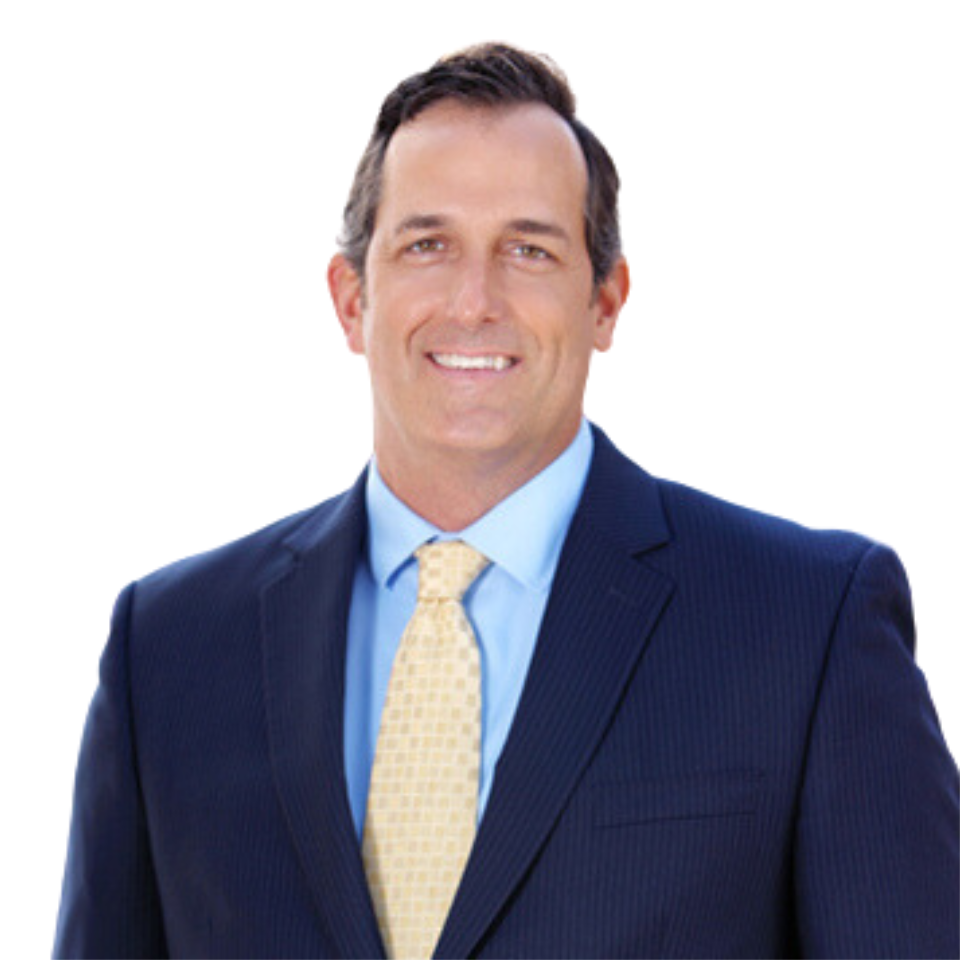
Mike Morey

Mike grew up in Texas and graduated from the University of Texas in 1986 with a major in Economics and a minor in Accounting. While at Texas, Mike served in multiple positions in the Alpha Nu chapter of Sigma Chi. With over 25 years of experience in the insurance industry, Mike has had management responsibilities in underwriting, marketing, and sales with both carriers and agencies. He joined Bolton & Company in 2001 where his focus is on the growth of the firm’s recognition as one of the leading privately held insurance brokerages in Southern California, as well as overseeing the day to day operations. Mike’s involvement extends beyond his own firm where he sits on the Advisory Board for multiple National Property Casualty and Health Insurance Carriers. On the personal side, Mike lives in Spicewood, Texas with his wife, Sharon and has three children and two grandchildren.  

What is your background, and how did you get in the EB business?
I was the COO for Bolton & Co in LA for over 20 years. Our firm was 85% P&C with just over $2 million in Benefits revenue. During my time as the COO, we grew our Benefits revenue to north of $35 million and 40% of our firm’s revenue with a focus on hiring and developing producers along with several acquisitions.

What are your leadership principles?
Transparency with the team. We also spend a lot of time developing communication and problem-solving skills. Before someone can supervise others, it is an expectation that they will have gone through a portion of our education. I also always start with answering a question with yes and then talk through what yes looks like.

What are you looking forward to achieving with your involvement with BAN?
We are all always learning and my past experiences with BAN and its members has made a contributed to my own success as well as our firm.

How are you advising your clients regarding ongoing inflation, higher interest rates and a shaky economy? Are you concerned about a recession?
Margins are tight for many employers and their most valuable asset and cost are their employees. What tools do they need and can we assist in their strategy to increase productivity within their workforce.

What is your outlook for your agency in 2024?
With new business, exposure and rate, we are targeting 15% growth in Benefits.

What is this industry’s largest challenge?
Talent. We as an industry continue to undersell the opportunity within the brokerage community.

What are two lessons that you learned during your career that you can pass along to future leaders in the insurance industry?
When your employees go home at night, you and the brokerage are a topic at the dinner table. What are they saying about you? Never burn a bridge. As large as this industry is, it’s a small community.

Connect with Mike on LinkedIn | Download vCard | Board of Advisors

_____________________

A Cautionary Tale: Self-Funded Plan Administrators Must Meaningfully and Effectively Communicate With Plan Participants and Their Providers on Appeal

Sponsors of self-funded ERISA plans have fiduciary obligations to plan participants, which includes the obligation to provide a full and fair review of claims and effectively and meaningfully communicate or engage with plan participants regarding claims denials. One district court recently clarified that this obligation may include the need for the plan administrator, which is usually the plan sponsor, to engage in a dialogue with health care providers who are providing health care services to plan participants when there is a dispute over denied claims.

In K.D. v. Anthem Blue Cross and Blue Shield, Group Health Plan of United Technologies Corporation, the plaintiff sued the plan administrator and Blue Cross and Blue Shield, the group health plan’s third party administrator (“TPA”), in the United States District Court for the District of Utah due to the plan’s denial of continued inpatient mental health treatment and transitional care for alleged lack of medical necessity. Plaintiff further alleged a violation of the Mental Health Parity and Addiction Act of 2008 (“MHPAEA”). This alert will focus on the ERISA claims review and appeals process and not the MHPAEA claims in the lawsuit.

As described in the District Court opinion, the terms of the plan sponsor’s medical plan generally required a medical necessity determination for continued inpatient/residential mental health treatment for plan participants, and provided that medically necessary services are those that are necessary for the participant and that are “rendered in the least intensive setting that is appropriate for the delivery of health care.” Once residential treatment is determined to be medically necessary, then there is a predetermined length of stay, and such benefits are then subject to concurrent review which may result in approval for additional care above and beyond those originally approved by the plan.

The District Court Magistrate reviewed the TPA’s own internal clinical guidelines and policies and procedures, which provide that mental health residential treatment is appropriate when the patient’s behavioral health condition is such that the patient demonstrates they are a danger to themselves or others, or it “causes a serious dysfunction in daily living.” If such conditions are present, then the guidelines provide that continued residential care should be approved if the condition is likely to deteriorate without continued treatment at the same level of care or if continued care at the current level is necessary. The clinical guidelines also provide that treatment should be available when “necessary, appropriate, and not feasible at a lower level of care.” If a claim is denied, then there are two levels of appeal that the plan participant must undergo before filing a lawsuit.

As set forth in the District Court’s opinion, the plan participant had a history of mental illness and the TPA initially determined that residential treatment was medically necessary. The participant underwent residential treatment in a program that could last from 9 – 12 months, though not all of it was intended to be residential, as the participant would step down from residential into transitional living. Ultimately, the participant’s discharge from treatment was contingent upon, and determined by, their progress on goals, participation, and clinical recommendations. The participant was initially approved for seven (7) days of residential treatment and then an additional nine (9) days. At that time, the TPA requested additional information from the provider via a peer-to-peer discussion, which the provider did not attend. Thus, the TPA independently reviewed the medical information and denied the claim for additional residential treatment based on a lack of medical necessity. Transitional living treatment claims were also denied for failing to obtain precertification.

After appealing the determinations, the participant sued for violation of ERISA and the MHPAEA. In asserting their claim for ERISA violations, the plaintiff alleged that the plan’s denial of their claims was arbitrary. The defendants alleged that while they were obligated to consider the letters and other records submitted as part of the claims appeal process, there was no obligation to “affirmatively respond” to them. The District Court magistrate disagreed and applied other, contrary caselaw that requires a plan administrator to “engage with and address” the opinions of the treating providers. As such, the District Court found that the TPA or plan administrator should have provided an explanation for rejecting health care provider opinions. As an example, the court suggested the claims administrator (the TPA) should have addressed why they did not find the treating providers’ opinions to be persuasive and provided factual support. The court reasoned that the plan and TPA had a fiduciary duty to plan beneficiaries to communicate the bases for their decisions, which includes addressing the provider opinions and communicate “effectively and meaningfully” with participants regarding the factual bases for denying coverage.

Ultimately the case was remanded back to the plan administrator for a new determination and the plaintiffs could seek recovery of their attorneys’ fees.

This case serves as a cautionary tale for plan sponsors to ensure they, or their claims administrators, are actively engaging with plan participants and/or their providers and meaningfully responding to their concerns when claims are denied. While it is unclear whether the participant will ultimately be entitled to the benefits sought under the plan, addressing why the claims administrator denied the claims and providing factual support for their rationale could have saved the claims administrator and/or plan administrator costs and legal fees.


About the Author. This alert was prepared for [Agency Name] by Barrow Weatherhead Lent LLP, a national law firm with recognized experts on the Affordable Care Act. Contact Stacy Barrow or Nicole Quinn-Gato at sbarrow@marbarlaw.com or nquinngato@marbarlaw.com.

The information provided in this alert is not, is not intended to be, and shall not be construed to be, either the provision of legal advice or an offer to provide legal services, nor does it necessarily reflect the opinions of the agency, our lawyers, or our clients. This is not legal advice. No client-lawyer relationship between you and our lawyers is or may be created by your use of this information. Rather, the content is intended as a general overview of the subject matter covered. This agency and Barrow Weatherhead Lent LLP are not obligated to provide updates on the information presented herein. Those reading this alert are encouraged to seek direct counsel on legal questions.

© 2024 Barrow Weatherhead Lent LLP. All Rights Reserved.

Meet the Board: Jim Garbina, LUTCF

James S. Garbina is a graduate of the University of Nebraska at Omaha, obtaining his Bachelor of Science degree in business finance. He joined the Employee Benefits Department of The Koch Co. in 1987 as an Account Executive and was named Vice President in 1992 and Senior Vice President in 1999. He currently manages this division for The Koch Co., now FNIC.

Jim is a part of FNIC’s strategic planning committee, and a director. He is a current member and previous board member of NAIFA (National Association of Insurance and Financial Advisors), earning his Fellowship designation (LUTCF) in 1994. He is a current member of NAHU (National Association of Health Underwriters). In 2011, The Koch Co. joined the Benefit Advisors Network; and in 2013, Jim was chosen to lead the strategic planning team for the national organization made up of international agencies, managing benefits for 10,000 employers and 8.5 million employees.

Jim also donates time to a number of nonprofit organizations, serving as the Board President for Midwest Child Care, past Board member for the UNO Alumni Association, Finance Chairman for his local parish and board member for the Papillion LaVista School Foundation.


What is your background, and how did you get in the EB business?
I was a Finance Major and Graduated from the University of Nebraska. I was referred to the Harry A Koch Agency by the University Career Placement Director. He made me keep the interview, even after I found out it was for insurance! I still thank him!

What are your leadership principles?
I believe in leadership by example and that success is not easy but rather you become lucky when you work hard. Be honest and ethical in the hard times and be ready to step back and rework your strategy.

What are you looking forward to achieving as a BAN member?
I look forward to the professional exchange of ideas and thoughts, as well as market knowledge. I am also looking for partners that can help see the market changes and develop strategies for tomorrows needs in the market.

How are you advising your clients regarding ongoing inflation, higher interest rates and a shaky economy? Are you concerned about a recession?
I am concerned about recession and think it will affect industries differently. Head count drives our revenue, so when markets are in retreat we have to drive new sales. Inflation and interest rates affect our clients overhead, and this also drives head count decisions, which drives us to find efficiencies within the products we manage. We try to lead the discussion, so they rely on us as a solution and not a vendor.

What is your outlook for your agency in 2024?
I think growth on existing books will be more tough to come by, expecting 3% growth (net after head count losses). We need to win on new business to achieve overall growth of 8%.

What is this industry’s largest challenge?
Utilization trends, High Cost Claim inflation trends, along with the continued concern for Rx inflation and new therapy cost. These are driving up the year over year (PMPM) cost at a faster pace than solutions can be implemented.

What are two lessons that you learned during your career that you can pass along to future leaders in the insurance industry?
First, advising and consulting is a long game. Developing and creating as many centers of influence within business circles and carrier partners will pay dividends. Don’t be afraid to donate time to boards and key organizations, as these are the future decision makers and a great investment for the future (but remember you need to bring value)! Number two is be a true student of the business.

Follow Jim on LinkedIn | Download vCard | Learn More about FNIC

_____________________

Meet the Member: Jeff LeClaire

As Senior Vice President of The Insurance Center in Onalaska, WI, Jeff directs his team forward to achieve the agency’s purpose of fighting for the highest possible good of their clients, co-workers, and community. He focuses on the overall operations and business development for the life, health, and commercial benefits side of the business.

What is your background and how did you get into this line of work?
During college, I worked the summers for a local agency selling Medicare and final expense. After graduation, I ended up starting a new office for an agency in Colorado and worked the entire state, mainly focusing on life insurance and Medicare. I then moved back to Wisconsin and started my own agency for several years before being recruited by Federated Insurance. Worked for Federated for eight years as a sales leader in Minneapolis and Indianapolis before moving back to my hometown and partnering with The Insurance Center, Inc. (TIC) and headed up their L&H operation. Now I am a 25% partner and lead business development for the organization.

What are your leadership principles?
Serve others over all else. If you lead with the mind of being a servant, others will follow. Fight for the highest possible good of those you serve and you will build trust and influence. “Belongships Values” include: Be Ethical, Be Authentic, Be Intentional, Be Empowered, and Be Dynamic.

Why are you passionate about BAN? What value has it brought you/your business?
Collaboration with high-quality people is powerful. The main value it has brought our business is the “phone-a-friend” mentality. We don’t know everything but the answer is usually there. BAN helps with this as great members have great ideas and are able to execute them successfully.

With ongoing inflation, higher interest rates, and a shaky economy, are you worried about the economy? If so, are you taking steps to prepare for a recession?
Yes, this is a concern. In benefits and workers comp especially, revenue is driven by employment. If layoffs happen, our revenue goes down. We are strengthening our position by being debt free as much as possible and looking for ways to grow organically.

Where do you see the industry headed for the balance of 2023 and in 2024?
I see a continued focus on proactive services, risk management, and other value-added solutions being the focus of driving growth and retention. I see continued rate pressure in benefits driving more to consider alternative ways to benefit employees and creating disruption in the industry. And, a strong move toward self-funding for smaller to mid-sized organizations.

What are the industry’s biggest challenges?
Being stuck in the old way of business. We need a hyper-focus on what the agency of the future will look like and how we can harness AI and other tech to achieve efficiencies. I also see Payroll/HR players continuing to come into the benefits space to achieve a one-stop shop mentality.

For the younger generation, what are one or two lessons you’ve learned that you can share with them?
I can think of a million cliches like “it’s a marathon, not a sprint” but I think one thing that is of utmost importance is to continue to focus on overall health. Focus on your mental and spiritual health as much as your physical and financial health and good things will happen. Also, swim against the norm. Think outside the box and disrupt in any way possible!

Follow Jeff on LinkedIn | Download vCard | Learn More About The Insurance Center

_____________________